Skip to Main Content
  • Instructor Site
  • Student Store
  • Canada StoreCanada
Student store Macmillan learning linkStudent Store Student store Macmillan learning linkStudent Store
    • I'M AN INSTRUCTOR

    • I'M A STUDENT
  • Student store Help link
  • search

    Find what you need to succeed.

    search icon
  • Shopping Cart
    0
    • Canada StoreCanada
  • Who We Are

    Who We Are

    back
    • Who We Are
  • Student Benefits

    Student Benefits

    back
    • Special Offers
    • Rent and Save
    • Flexible Formats
    • College Quest Blog
  • Discipline

    Discipline

    back
    • Astronomy Biochemistry Biology Chemistry College Success Communication Economics Electrical Engineering English Environmental Science Geography Geology History Mathematics Music & Theater Nutrition and Health Philosophy & Religion Physics Psychology Sociology Statistics Value
  • Digital Products

    Digital Products

    back
    • Achieve
    • E-books
    • iClicker Student App (Student Response System)
  • Support

    Support

    back
    • Get Help
    • Rental and Returns
    • Support Community
    • Student Options Explained

Cover: Achieve for Biochemistry (1-Term Online), 9th Edition by Jeremy M. Berg; John L. Tymoczko; Gregory J. Gatto Jr.; Lubert Stryer
Rental FAQs

GET FREE SHIPPING!

Use Promo Code SHIPFREE at Step 4 of checkout.

*Free Shipping only applicable to US orders. Restrictions apply.

Achieve for Biochemistry (1-Term Online)

Ninth  Edition|©2019  Jeremy M. Berg; John L. Tymoczko; Gregory J. Gatto Jr.; Lubert Stryer

  • About
  • Contents
  • Authors

About

Digital Options

Contents

Table of Contents

Authors

Jeremy M. Berg

Jeremy M. Berg received his B.S. and M.S. degrees in Chemistry from Stanford University (where he did research with Keith Hodgson and Lubert Stryer) and his PhD in Chemistry from Harvard with Richard Holm. He then completed a postdoctoral fellowship with Carl Pabo in Biophysics at Johns Hopkins University School of Medicine. He was an Assistant Professor in the Department of Chemistry at Johns Hopkins from 1986 to 1990. He then moved to Johns Hopkins University S­chool of Medicine as Professor and Director of the Department of Biophysics and Biophysical Chemistry, where he remained until 2003. He then became Director of the National Institute of General Medical Sciences at the National Institutes of Health. In 2011, he moved to the University of Pittsburgh, where he is now Professor of Computational and Systems Biology and Pittsburgh Foundation Chair and Director of the Institute for Personalized Medicine. He served as President of the American Society for Biochemistry and Molecular Biology from 2011 to 2013 and as Editor-in-Chief for Science magazine and the Science family of journals from 2016 to 2019. Dr. Berg has received numerous awards for his research, teaching, and public service. He is an elected member of the National Academy of Medicine and the American Academy of Arts and Sciences. He is coauthor, with Stephen J. Lippard, of the textbook Principles of Bioinorganic Chemistry. He greatly enjoys sharing his life with his wife, three grown children, and grandchildren.
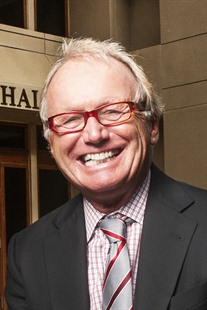

John L. Tymoczko

John L. Tymoczko was Towsley Professor of Biology Emeritus at Carleton College, where he taught from 1976 until his death in 2019. He taught a variety of courses, including Biochemistry, Biochemistry Laboratory, Oncogenes and the Molecular Biology of Cancer, and Exercise Biochemistry, and cotaught an introductory course, Energy Flow in Biological Systems. Professor Tymoczko received his B.A. from the University of Chicago in 1970 and his PhD in Biochemistry from the University of Chicago with Shutsung Liao at the Ben May Institute for Cancer Research. He then had a postdoctoral position with Hewson Swift of the Department of Biology at the University of Chicago. The focus of his research was on steroid receptors, ribonucleoprotein particles, and proteolytic processing enzymes.


Gregory J. Gatto, Jr.

Gregory J. Gatto, Jr., received his A.B. degree in Chemistry from Princeton University, where he worked with Martin F. Semmelhack and was awarded the Everett S. Wallis Prize in Organic Chemistry. In 2003, he received his MD and PhD degrees from the Johns Hopkins University School of Medicine, where he studied the structural biology of peroxisomal targeting signal recognition with Dr. Berg and received the Michael A. Shanoff Young Investigator Research Award. He completed a postdoctoral fellowship in 2006 with Christopher T. Walsh at Harvard Medical School, where he studied the biosynthesis of the macrolide immunosuppressants. Dr. Gatto is currently a Scientific Director in the Novel Human Genetics Research Unit at GlaxoSmithKline. While he enjoys losing at board games, attempting but not completing crossword puzzles, and watching baseball games at every available opportunity, he treasures most the time he spends with his wife Megan and sons Timothy and Mark.


Lubert Stryer

Lubert Stryer is Winzer Professor of Cell Biology, Emeritus, in the School of Medicine and Professor of Neurobiology, Emeritus, at Stanford University, where he has been on the faculty since 1976. He received his MD from Harvard Medical School. Professor Stryer has received many awards for his research on the interplay of light and life, including the Eli Lilly Award for Fundamental Research in Biological Chemistry, the Distinguished Inventors Award of the Intellectual Property Owners’ Association, and election to the National Academy of Sciences and the American Philosophical Society. He was awarded the National Medal of Science in 2006. The publication of his first edition of Biochemistry in 1975 transformed the teaching of biochemistry.


Table of Contents

Headshot of Jeremy M. Berg

Jeremy M. Berg

Jeremy M. Berg received his B.S. and M.S. degrees in Chemistry from Stanford University (where he did research with Keith Hodgson and Lubert Stryer) and his PhD in Chemistry from Harvard with Richard Holm. He then completed a postdoctoral fellowship with Carl Pabo in Biophysics at Johns Hopkins University School of Medicine. He was an Assistant Professor in the Department of Chemistry at Johns Hopkins from 1986 to 1990. He then moved to Johns Hopkins University S­chool of Medicine as Professor and Director of the Department of Biophysics and Biophysical Chemistry, where he remained until 2003. He then became Director of the National Institute of General Medical Sciences at the National Institutes of Health. In 2011, he moved to the University of Pittsburgh, where he is now Professor of Computational and Systems Biology and Pittsburgh Foundation Chair and Director of the Institute for Personalized Medicine. He served as President of the American Society for Biochemistry and Molecular Biology from 2011 to 2013 and as Editor-in-Chief for Science magazine and the Science family of journals from 2016 to 2019. Dr. Berg has received numerous awards for his research, teaching, and public service. He is an elected member of the National Academy of Medicine and the American Academy of Arts and Sciences. He is coauthor, with Stephen J. Lippard, of the textbook Principles of Bioinorganic Chemistry. He greatly enjoys sharing his life with his wife, three grown children, and grandchildren.


Headshot of John L. Tymoczko

John L. Tymoczko

John L. Tymoczko was Towsley Professor of Biology Emeritus at Carleton College, where he taught from 1976 until his death in 2019. He taught a variety of courses, including Biochemistry, Biochemistry Laboratory, Oncogenes and the Molecular Biology of Cancer, and Exercise Biochemistry, and cotaught an introductory course, Energy Flow in Biological Systems. Professor Tymoczko received his B.A. from the University of Chicago in 1970 and his PhD in Biochemistry from the University of Chicago with Shutsung Liao at the Ben May Institute for Cancer Research. He then had a postdoctoral position with Hewson Swift of the Department of Biology at the University of Chicago. The focus of his research was on steroid receptors, ribonucleoprotein particles, and proteolytic processing enzymes.


Headshot of Gregory J. Gatto, Jr.

Gregory J. Gatto, Jr.

Gregory J. Gatto, Jr., received his A.B. degree in Chemistry from Princeton University, where he worked with Martin F. Semmelhack and was awarded the Everett S. Wallis Prize in Organic Chemistry. In 2003, he received his MD and PhD degrees from the Johns Hopkins University School of Medicine, where he studied the structural biology of peroxisomal targeting signal recognition with Dr. Berg and received the Michael A. Shanoff Young Investigator Research Award. He completed a postdoctoral fellowship in 2006 with Christopher T. Walsh at Harvard Medical School, where he studied the biosynthesis of the macrolide immunosuppressants. Dr. Gatto is currently a Scientific Director in the Novel Human Genetics Research Unit at GlaxoSmithKline. While he enjoys losing at board games, attempting but not completing crossword puzzles, and watching baseball games at every available opportunity, he treasures most the time he spends with his wife Megan and sons Timothy and Mark.


Headshot of Lubert Stryer

Lubert Stryer

Lubert Stryer is Winzer Professor of Cell Biology, Emeritus, in the School of Medicine and Professor of Neurobiology, Emeritus, at Stanford University, where he has been on the faculty since 1976. He received his MD from Harvard Medical School. Professor Stryer has received many awards for his research on the interplay of light and life, including the Eli Lilly Award for Fundamental Research in Biological Chemistry, the Distinguished Inventors Award of the Intellectual Property Owners’ Association, and election to the National Academy of Sciences and the American Philosophical Society. He was awarded the National Medal of Science in 2006. The publication of his first edition of Biochemistry in 1975 transformed the teaching of biochemistry.


Related Titles

Find Your School

Select Your Discipline

Select Your Course

search icon
No schools matching your search criteria were found !
No active courses are available for this school.
No active courses are available for this discipline.
Can't find your course?

Find Your Course

Confirm Your Course

Enter the course ID provided by your instructor
search icon

We found the following course. Does this look correct?

We found the following course. To properly enroll in your course, please use the link provided in your school's course system (LMS Example: Canvas, Blackboard, D2L, Etc).

Your Achieve account needs to be linked with your school's account.

Find Your School

Select Your Course

No schools matching your search criteria were found.
(Optional)
Select Your Course
No Courses found for your selection.
  • macmillanlearning.com
  • // Privacy Notice
  • // Ads & Cookies
  • // Terms of Purchase/Rental
  • // Terms of Use
  • // Piracy
  • // Products
  • // Site Map
  • // Customer Support
Student store Footer Logo
  • macmillan learning facebook
  • macmillan learning twitter
  • macmillan learning youtube
  • macmillan learning linkedin
  • macmillan learning instagram
We are processing your request. Please wait...